
Key Takeaways
- Hair thinning can appear differently depending on age, hormonal changes, lifestyle habits, and scalp condition.
- Younger adults often experience stress-related hair shedding and scalp imbalance linked to work routines and styling habits.
- Middle-aged individuals commonly experience gradual thinning connected to hormonal shifts and cumulative scalp damage.
- Older adults may face slower hair growth cycles, weaker follicles, and reduced scalp resilience.
- Early monitoring and consistent scalp care may help manage long-term hair thinning concerns.
- Some individuals explore professional options, such as hair regrowth alongside routine scalp hair treatment approaches.
Introduction
Hair thinning affects different age groups in different ways. The causes, progression, and visible patterns often vary according to hormonal activity, lifestyle routines, scalp condition, and underlying health factors. While some individuals experience temporary shedding during stressful periods, others develop gradual thinning over many years. Age also affects how the scalp responds to inflammation, oil production, and follicle recovery.
Due to these differences, scalp management approaches, including scalp hair treatment, are rarely identical across all age groups. Factors such as sleep patterns, diet, environmental exposure, and hair care habits contribute to how thinning develops over time. Knowing these distinctions helps individuals recognise changes earlier and make informed decisions regarding scalp care and treatment options.
Hair Thinning in Younger Adults
Hair thinning among individuals in their late teens and twenties is often linked to stress, lifestyle habits, and aggressive grooming practices. Frequent bleaching, chemical treatments, tight hairstyles, and excessive heat styling can weaken the hair shaft and irritate the scalp. Younger adults may also experience temporary hair shedding caused by academic pressure, irregular sleep schedules, dieting, or workplace stress.
Scalp conditions are also common within this age group. Excessive oil production, dandruff, scalp inflammation, and product build-up may interfere with follicle health. Thinning, in some cases, may appear around the hairline or crown due to early genetic predisposition. However, younger individuals often retain stronger follicle activity compared to older adults, which means some forms of thinning may stabilise if contributing factors are managed early.
Many younger adults seek preventive care instead of corrective procedures. This instance is one reason why interest in scalp hair treatment programmes has increased among working professionals and university-aged individuals who want to maintain scalp condition before significant thinning develops.
Hair Thinning During the 30s and 40s
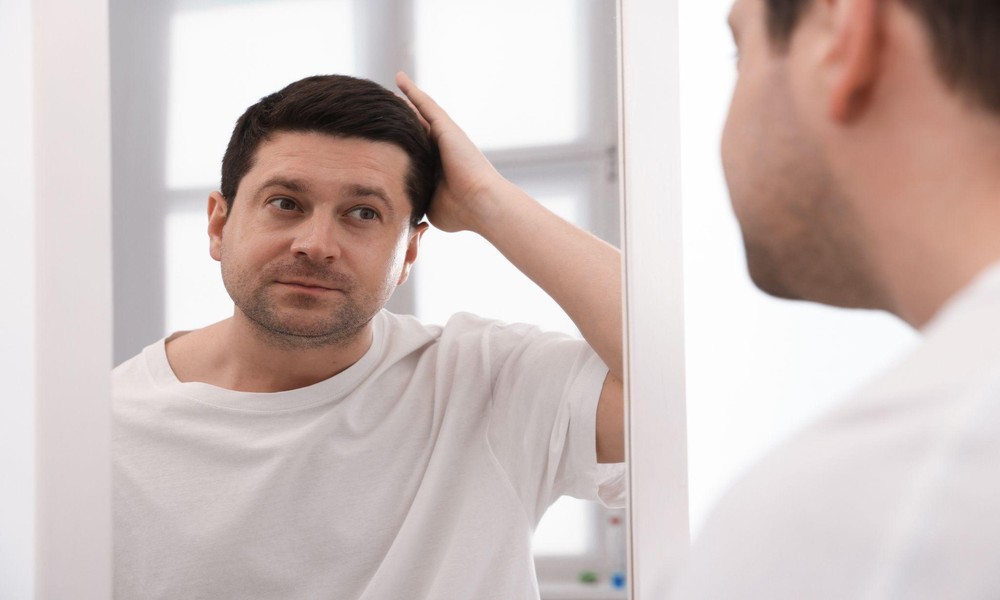
Hair thinning patterns often become more noticeable during the thirties and forties. Hormonal fluctuations, work-related stress, and long-term exposure to environmental factors may contribute to progressive thinning during this stage of life. Men may begin noticing receding hairlines or thinning around the crown, while women may experience widening part lines or reduced hair density.
This age group also experiences cumulative scalp stress. Years of chemical exposure, irregular hair care routines, and untreated scalp irritation may gradually affect follicle performance. Simultaneously, natural hair growth cycles can become less efficient. Hair strands may appear finer, weaker, and slower to recover after shedding periods.
Women may encounter additional hormonal changes linked to pregnancy, childbirth, or perimenopause. These shifts can affect hair growth cycles and scalp oil production. Hereditary pattern hair loss in men often becomes more visible during this period due to sensitivity to hormonal changes involving dihydrotestosterone.
Since thinning becomes more visible, some individuals begin exploring structured programmes involving hair regrowth in Singapore. These programmes may include scalp assessments, topical applications, laser-based methods, or scalp-focused maintenance routines designed to address different contributing factors.
Hair Thinning in Older Adults
Hair thinning among older adults is often associated with slower follicle activity and age-related scalp changes. Hair growth cycles naturally shorten with age, while dormant phases may become longer. Due to this, hair may grow back more slowly after shedding, and strands may become noticeably finer.
The scalp itself also changes over time. Reduced collagen production, lower oil secretion, and decreased circulation may affect scalp flexibility and hydration levels. Older adults may therefore experience both thinning and increased scalp dryness simultaneously. Long-term medical conditions or medication use, in some cases, may further contribute to hair density changes.
Unlike younger individuals who may experience temporary shedding episodes, older adults are more likely to encounter sustained thinning patterns. Hair loss may become diffuse across larger areas rather than remaining concentrated in isolated sections. Recovery may also take longer because ageing follicles respond differently to stimulation and repair processes.
Due to this reason, scalp maintenance within older age groups often focuses on long-term consistency rather than short-term correction. Approaches may involve gentle scalp cleansing, monitoring scalp sensitivity, and reducing practices that contribute to unnecessary strain on fragile hair strands.
Conclusion
Hair thinning develops differently across age groups because the scalp and hair follicles change over time. Younger adults often face lifestyle-related shedding and scalp imbalance, while middle-aged individuals may experience hormonal and hereditary thinning patterns. Older adults commonly deal with slower hair growth cycles and reduced scalp resilience.
Recognising these age-related differences allows individuals to respond more appropriately to early signs of thinning. Consistent scalp care, including scalp hair treatment, realistic expectations, and timely monitoring may help individuals manage scalp conditions more effectively throughout different stages of life.
Contact Bee Choo Origin and identify contributing factors and suitable hair management approaches today.