
Why does the aroma shift after cutting?
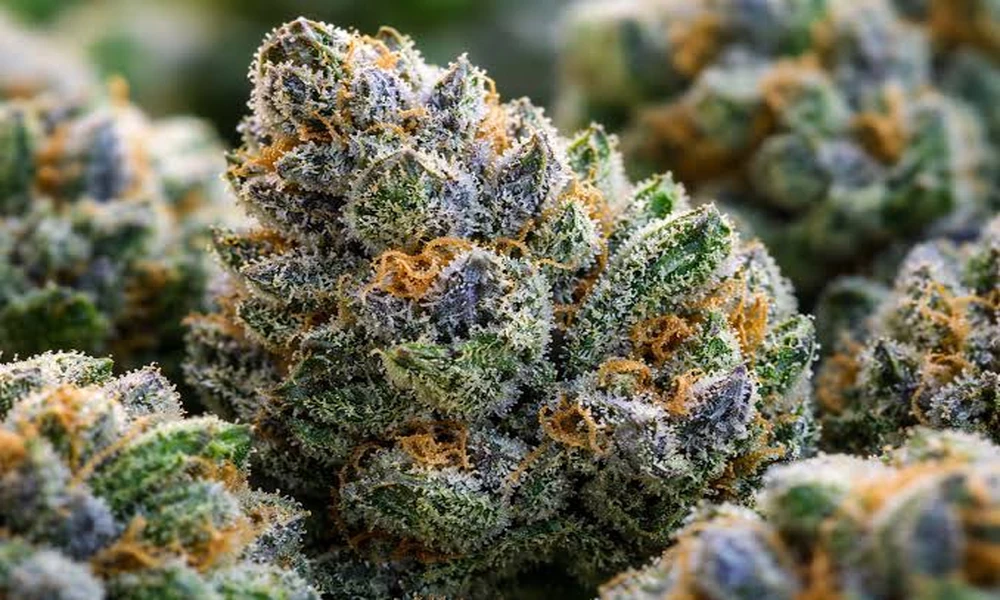
Aroma in THCA flower is not a fixed characteristic but an evolving one that develops through each post-harvest stage. Fresh cut material carries a sharp, green, almost raw smell driven by compounds released through cellular damage at cutting. That initial scent transforms through drying and curing into the layered, complex profile that well-handled material expresses at the point of sale. The best thca flower is selected through its aroma, not by treating all scent profiles equally.
A terpene’s volatile nature means that heat, oxygen, light, and time all affect how much aromatic complexity survives from cutting through to the point of opening the packaging. Myrcene begins leaving resin surfaces quickly without controlled handling. Pinene and caryophyllene hold longer but still respond to the same environmental variables over extended periods.
How does drying transform scent?
Drying initiates the first significant aroma transformation, moving cut material away from its raw green character toward something that curing will eventually refine further.
- Raw, grassy scent dominates fresh cut material as cellular compounds are released through damaged plant tissue at cutting.
- Chlorophyll breakdown during early drying reduces green character as compounds driving that scent degrade alongside the pigment.
- Drying softens lighter top notes, and softer monoterpenes volatilise, which is carried.
- High boiling point sesquiterpenes remain prominent after lighter compounds dissipate.
- Drying temperature directly determines how much terpene content survives into curing, with controlled heat preserving far more complexity than elevated temperatures allow.
What does curing do to aroma?
Curing moves aroma from raw complexity toward the refined, layered profile that characterises well-produced material. Chlorophyll breakdown completes through the cure, removing grassy interference that dominated earlier stages, allowing terpene character to express clearly without competing scent compounds masking what the cultivar actually carries.
Moisture redistribution during curing moves terpene compounds through the internal plant structure in ways that influence how scent releases on opening. Well-cured material holds aromatic complexity that builds gradually as it warms rather than releasing all at once. That progressive release reflects terpene compounds held within resin rather than sitting loosely on exterior surfaces. Extended curing within controlled conditions consistently produces more developed aromatic profiles than abbreviated timelines.
Is storage important for aroma?
Storage conditions between production and purchase play a meaningful role in how much aromatic complexity the curing actually survives to the point of selection.
- Dark, cool, stable storage preserves aromatic complexity closest to what curing produced, maintaining the terpene profile through the full distribution period.
- Consistent temperature without fluctuation prevents repeated volatilisation cycles that gradually flatten scent character during transit.
- Airtight sealing immediately after curing locks terpene compounds within the container rather than allowing ongoing exchange with surrounding air.
- Shorter duration between production and purchase gives storage variables less opportunity to work on the aromatic profile before opening.
Aroma at the point of selection reflects every stage a product passes through from cutting to shelf. A sharp, layered, evolving scent profile on opening indicates that post-harvest handling gave terpene development the conditions and time it needed to complete properly.