
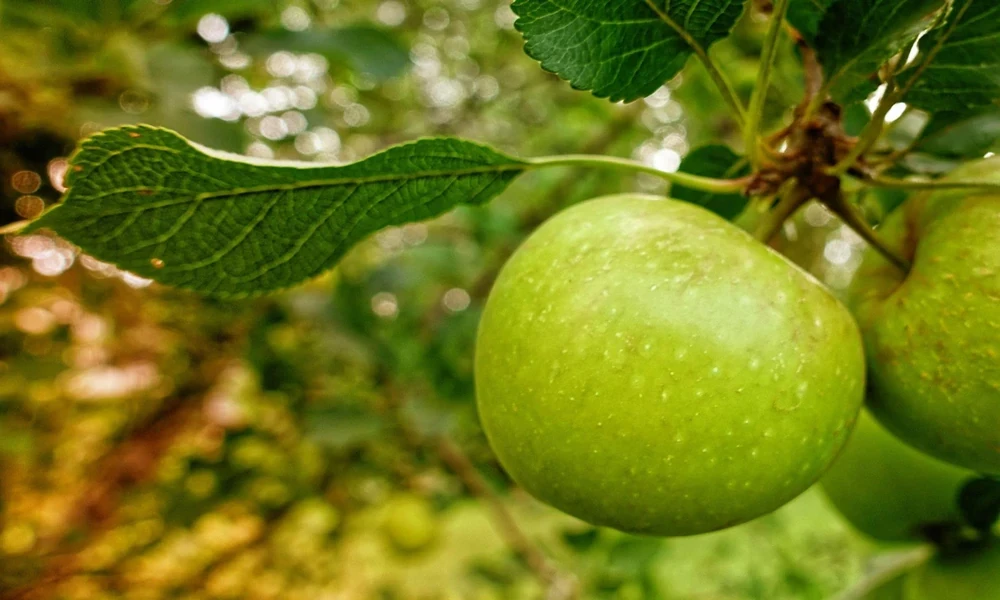

Cook an apple and its character changes. Some flesh collapses into a soft filling; some keeps enough structure for recognisable pieces. Sharpness, the amount of juice and the point at which the fruit was picked also influence the result. A cooking apple tree is therefore worth choosing with a favourite dish in mind.
British suppliers offer considerably more than one familiar cooker. There are early culinary apples for using as summer gives way to autumn, later keepers for a longer kitchen season, and varieties associated with particular regions. The right choice begins with what the household cooks, then moves to the tree that can produce that fruit in the available space.
How the ten offers were assessed
This list compares published cooking-apple selections, named culinary uses and the forms actually offered by British nurseries and retailers. CRJ Fruit Trees starts with a broad culinary range and a specific mild cooker. The remaining suppliers contribute a familiar purée apple, regional choices, open-ground trees, distinctions in acidity, potted options and propagation to order.
Descriptions of cooked texture are the suppliers’ accounts, not the results of a recipe test carried out for this article. “Best” refers to the usefulness of these offers for the stated buying decisions. Rootstock and pollination information still needs to fit the chosen cultivar; an attractive recipe idea cannot resolve either on its own.
Best 10 Cooking Apple Tree Suppliers for UK Gardeners
1. CRJ Fruit Trees
Golden Noble gives the cooking-apple range at Fruit-Trees a useful starting point for UK gardeners: it describes it as a mildly acidic cooker that becomes creamy when prepared. It sits among named culinary choices including Catshead, Dr Harvey, Edward VII and Annie Elizabeth.
Start with the texture. A cook looking for a soft apple layer beneath crumble topping has a different aim from someone arranging slices in an open tart. Golden Noble’s description suggests the former sort of result, while its relatively mild acidity invites a comparison with sharper apples. The amount of sugar in a recipe should still follow the actual fruit and personal taste.
The nursery’s range makes that exploration possible without treating every cooking apple as interchangeable. A household could choose one cultivar for its preferred use, or investigate a pair to extend the period when home-grown apples are available. Tree size then becomes a second decision, supported by the rootstock options on the selected product.
Golden Noble also needs care if a trained form is proposed: it is a partial tip-bearer, which complicates severely restricted shapes such as stepovers. Keep the creamy cooked result on the kitchen list and select a growing form that respects how the tree fruits. A pleasing recipe idea is the beginning of this order, with the planting choice completing it.
2. Ashridge Nurseries
For a soft, tangy filling, begin with Ashridge’s Bramley. The nursery describes an apple that breaks down in the pan, a clear match for a smooth filling beneath pastry or crumble.
Then choose the tree. Ashridge offers seasonal maidens, bushes and half-standards, with M26 beneath the bush and MM106 beneath the other listed forms. Bramley’s own vigour belongs in this decision too.
Allow for pollination before reserving it. Bramley is triploid and provides poor pollen, so it cannot be relied upon as another apple’s partner. Establish the compatible trees available in the garden or nearby.
With those growing arrangements settled, the kitchen choice stays pleasantly simple: a familiar tangy apple for dishes in which a soft result is welcome.
3. Applewise
Gabalva is Applewise’s Welsh alternative for pies and tarts, sold as a young tree in a three- or four-litre pot according to stock. First check the address: this nursery near Llandeilo delivers within ten miles and has no general public visiting arrangement. Then check the space and blossom. Gabalva is described as vigorous and triploid, so the small pot does not settle either long-term size or pollination. Within those limits, it puts a less familiar culinary apple within reach of a local planting. The recipe interest can start with the nursery’s suggested pies and tarts, while the garden enquiry establishes a suitable growing base and compatible pollen.
4. Landford Trees
An open orchard changes the scale of the choice. Landford lists culinary apples including Grenadier, Howgate Wonder and Lane’s Prince Albert within its MM106 range. Bare-root standard and half-standard forms are part of the offer, alongside selected container and trained trees.
For a garden with room above a clear stem, that is useful nursery material. The fruit can be picked from a tree integrated into the wider planting, rather than forcing the entire cooking-apple decision into the dimensions of a patio container. Access for pruning and harvest still belongs in the layout from the outset.
Landford’s Wiltshire operation focuses its delivery service on the south, making a quotation sensible when the order includes larger trees. Its contribution here is a choice of named cookers in forms suited to a more substantial garden scheme. It gives the kitchen gardener with space a different starting point from the smallest potted plant.
5. Walcot Organic Nursery
How sharp should the finished apple taste? Walcot’s cooking selection distinguishes sharper culinary varieties from less acidic choices and includes Grenadier, Lord Derby and Howgate Wonder as young bare-root trees. Use that distinction to narrow a kitchen shortlist, then read the individual cultivar account for texture and season. Sweetness, acidity and the way flesh cooks are separate qualities.
For frequent baking, consider when the fruit will be available. A pair with different picking or keeping periods could serve the kitchen over longer than two similar crops arriving together. Walcot records those seasonal details alongside its varieties. Reserve the appropriate young trees for winter planting, but keep the fruit-use notes: they explain why each tree was chosen long after the planting order has been filed away.
6. Scottish Heritage Fruit Trees
Keep the pieces visible. Scottish Heritage Fruit Trees describes Lass O’Gowrie as a juicy cooker that retains its shape, a promising description when slices or chunks matter to the dish. White Melrose and Bramley appear in the wider selection, offering other names to discuss.
Take the intended planting location into that discussion. A late apple must ripen at the site before its kitchen qualities can be enjoyed; Scottish associations alone cannot establish suitability for every cool garden. Availability is confirmed directly. Ask about Lass O’Gowrie, the desired cooked texture and the tree that can be supplied, keeping the practical growing question attached to the culinary one.
7. Pennard Plants
Pennard’s Howgate Wonder can become a free-standing bush or a low stepover beside a path. The retailer lists a two-year bush and the trained alternative, so choosing this cooker need not immediately dictate the garden layout. Picture where a pan’s worth of apples would be picked: around a crown, or along a supported edge.
A stepover brings regular training into the job. Confirm its rootstock and supplied framework against the actual product; Pennard’s broad small-garden category cannot settle those details for every tree. The bush has a different footprint and leaves room beneath and around a conventional crown. Keeping Howgate Wonder constant makes this a practical comparison of how the chosen culinary apple could join an existing productive garden.
8. Keepers Nursery
Annie Elizabeth supplies a different cooked result. Keepers describes an apple that retains its shape and keeps for later use. Its current winter stock includes a maiden on M25, a vigorous rootstock requiring substantial space.
Think of recognisable apple pieces in a winter dish. Keeping quality may help extend that use, provided the harvested fruit is sound and stored appropriately. The catalogue’s season is a guide to the possibility, while the condition of each apple decides whether it belongs in the pan.
This is a sizeable growing commitment for a specific kitchen preference. Compare Annie Elizabeth with a softer-cooking cultivar through the result wanted at home, then establish that the garden can accommodate the offered M25 tree.
9. Adam’s Apples
The cooking section at Adam’s Apples includes Catshead, Crawley Beauty, Dr Harvey, Golden Noble and Grenadier. This breadth is useful when a cook wants to plan a small culinary collection instead of choosing the first recognisable name.
The nursery separates cooking apples from its dessert and dual-purpose groups. That organisation saves some initial sorting, but the next comparison should still use the individual fruit descriptions and seasons. Two trees selected for complementary uses are likely to serve a household better than two bought simply because both carry the word cooking.
Trees are ordered for the nursery’s winter supply. Its Devon production system is built around young grafted material, giving the gardener a starting tree to develop over time. For a new kitchen orchard, the range offers room to assemble a purposeful list and then match it to the required rootstocks before reserving the plants.
10. Grow Fruit Trees
A much-used cooking apple can be worth preserving even when its name is unknown. Grow Fruit Trees offers an own-wood grafting service, using material from an existing tree to propagate a new one on a suitable rootstock. That is relevant when the fruit already works well in the household’s recipes.
The commission needs planning. The nursery describes winter grafting and an anticipated supply the following autumn, with growth affecting the final timing. The suitability of the source material and the intended tree size should be agreed before the work begins.
Keep the apple whose fruit already works in the kitchen. A grafting commission at Grow Fruit Trees can carry that cultivar into another planting, subject to suitable material and successful growth. Allow the nursery’s growing period in the plan before preparing for the new tree’s arrival.
Plan the crop as carefully as the recipe
Write down the main use for each proposed tree: smooth filling, pieces that retain texture, early cooking or fruit for storage. A cultivar can serve more than one purpose, but the exercise makes overlap visible before the order becomes expensive or the garden becomes crowded.
Allow space for the tree at maturity and settle pollination before purchase. In particular, triploid apples contribute poor pollen, so a collection must be designed around compatible fertile partners rather than merely counting how many apple trees are present. Nearby blossom may form part of that arrangement.
When the first worthwhile harvest arrives, cook a small sample before committing a whole crop to a familiar recipe. Fruit changes with ripeness and season. The useful supplier gets the right tree into the garden; the cook’s own judgement turns its apples into the result the household enjoys.
Source note: Official culinary-apple product descriptions, nursery stock lists and ordering policies informed the supplier choices. Pollination and growing considerations were checked using RHS apple advice.



Leave a Comment