
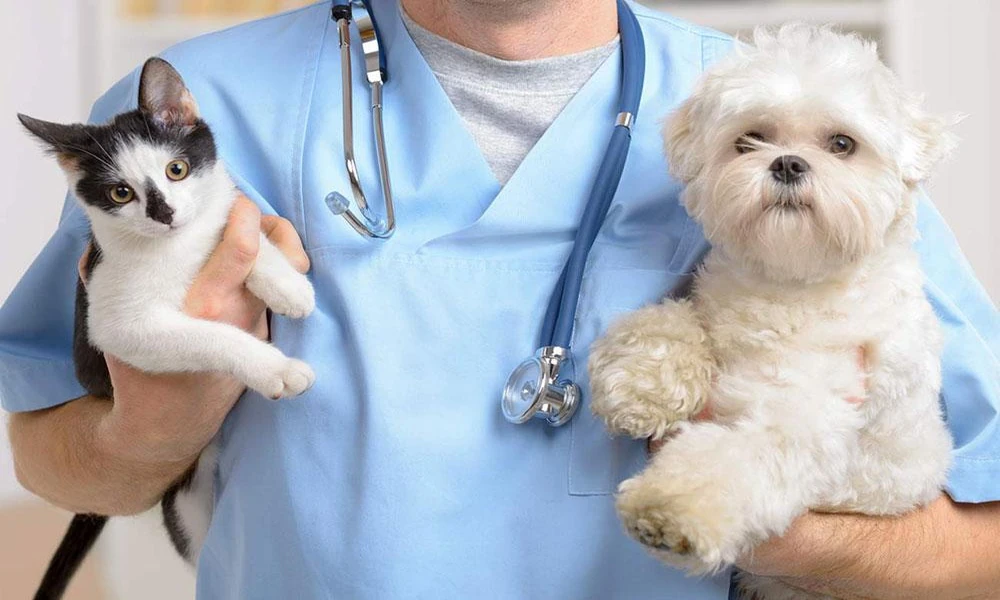

You already know a veterinary clinic in Chicago, IL can feel calm one minute and chaotic the next. A blocked cat crashes in treatment, a dog arrives after being hit by a car, the power flickers during surgery, or a frightened client starts to panic at the front desk. When that happens, staff do not have time to figure things out on the fly. They need clear roles, practiced habits, and the kind of teamwork that holds up under pressure.
That is why how veterinary clinics train staff for emergency preparedness matters so much. Good training is not a binder on a shelf. It is repeated practice, simple protocols, cross training, and honest review after things go wrong or almost go wrong. Clinics that prepare well tend to respond faster, communicate better, and protect both patients and people inside the building.
Emergency preparedness training in veterinary clinics starts with daily reality
Most clinics are not dealing with dramatic disasters every day. They are dealing with smaller failures that can turn serious fast. A technician calls out sick. Oxygen tanks run low. A new assistant does not know where crash drugs are stored. A pet with heatstroke arrives during a packed schedule. These are the moments that expose whether a team has real emergency readiness or just good intentions.
Training works best when it reflects that reality. Staff need to know medical protocols for CPR, triage, shock, toxic exposure, seizure response, and anesthesia complications. They also need to know building procedures for fire, severe weather, evacuation, utility loss, and aggressive animal handling. Front desk staff need scripts for directing clients during urgent situations. Kennel staff need to know how to move animals safely if the building must be cleared. No role is outside the emergency plan.
The pressure is not only medical. It is emotional and financial too. In a crisis, clients may be scared, angry, or unable to make quick decisions. Staff may freeze, talk over each other, or skip steps because they are trying to help. That confusion costs time, and time is often the one thing a critical patient does not have.
Veterinary emergency response training depends on repetition, not memory
Reading protocols once does very little. Clinics that build strong emergency habits train in layers. New hires get orientation on alarms, exits, crash cart setup, emergency drug locations, and chain of command. Existing staff run drills. Leadership reviews what happened after each real event. The goal is not perfect performance. The goal is a team that can keep moving in the right order even when stress is high.
A clinic might run a mock code on a quiet afternoon. One person calls the code, one starts compressions, one manages the airway, one records time and drugs, and one directs client communication. Then they switch roles and do it again. A weather drill might cover where hospitalized pets go if windows are unsafe. A power outage drill might test which equipment has battery backup and how long it lasts.
Public health guidance supports this kind of practice. The CDC reported that emergency exercises can improve response coordination, communication, and role clarity across healthcare settings. You can review that research in this CDC report on emergency preparedness exercises. Staff engagement also improves when training feels active rather than theoretical, which is why tools like the CDC’s readiness training game can help teams think through response decisions in a lower pressure format.
Veterinary clinic preparedness improves when every role is cross trained
One of the biggest weak points in many clinics is role dependency. The practice manager knows the shutdown checklist. One technician knows the crash cart best. The lead receptionist knows how to direct traffic in the lobby. If any of those people are absent, the clinic becomes fragile.
Veterinary clinic emergency planning gets stronger when staff are cross trained. That does not mean everyone does everything. It means each essential task has backup coverage. Someone besides the surgery technician knows where emergency intubation supplies are kept. Someone besides the manager can access the contact list for utility failures and local emergency support. Someone besides the CSR lead can explain wait times and redirect distressed clients during a code.
This also protects morale. Staff burn out when the same few people carry every emergency. Shared training spreads responsibility and makes the clinic less dependent on memory, personality, or luck.
Preparedness methods differ in cost, speed, and reliability
| Training Method | What It Looks Like | Strengths | Common Gaps |
|---|---|---|---|
| Policy manual only | Written protocols stored digitally or in binders | Low cost, easy to update, useful for reference | Staff may not retain steps under stress, weak role clarity |
| Verbal orientation | New hires are shown equipment and told what to do | Fast, personal, easy to fit into onboarding | Inconsistent delivery, little proof of skill |
| Mock drills | Practice codes, evacuation drills, outage scenarios | Builds muscle memory, exposes weak points, improves teamwork | Takes planning time, may feel awkward at first |
| Cross training | Staff learn backup duties outside their main role | Better coverage, less disruption when someone is absent | Requires regular refreshers |
| Post event review | Team debrief after real emergencies | Uses real lessons, improves systems quickly | Can become blame focused if not handled well |
The strongest approach is usually a mix. Written plans matter. Drills matter more. Debriefs turn both into something useful. That is the core of staff training for veterinary emergencies that actually holds up during a real event.
Clear action steps make emergency preparedness training stick
Build a one page emergency role sheet. List the first five actions for the most likely events in your clinic, including code blue, fire, severe weather, power outage, and aggressive animal incidents. Assign who leads, who calls, who moves patients, and who communicates with clients.
Run short drills every month. Keep them brief and specific. Ten minutes on crash cart access. Fifteen minutes on oxygen failure. A front desk script for incoming emergencies. Frequency beats length because repetition creates recall.
Debrief without blame. After every real emergency or drill, ask three things. What worked. What slowed us down. What changes before the next event. Write it down, update the protocol, and train on the change right away.
Prepared veterinary teams protect patients, clients, and each other
Emergency readiness in a veterinary clinic is not about expecting the worst every day. It is about making sure your team does not lose precious time when something hard happens. Staff feel safer when they know the plan. Clients feel it too. The room stays steadier, communication gets clearer, and patient care becomes more consistent when people are not guessing.
If your clinic has been relying on memory, habit, or one or two strong team members, this is a good time to tighten the system. Start small, train often, and make every drill practical. A veterinary clinic that practices emergency response is easier to trust, easier to run, and better prepared when the day goes sideways.



Leave a Comment