
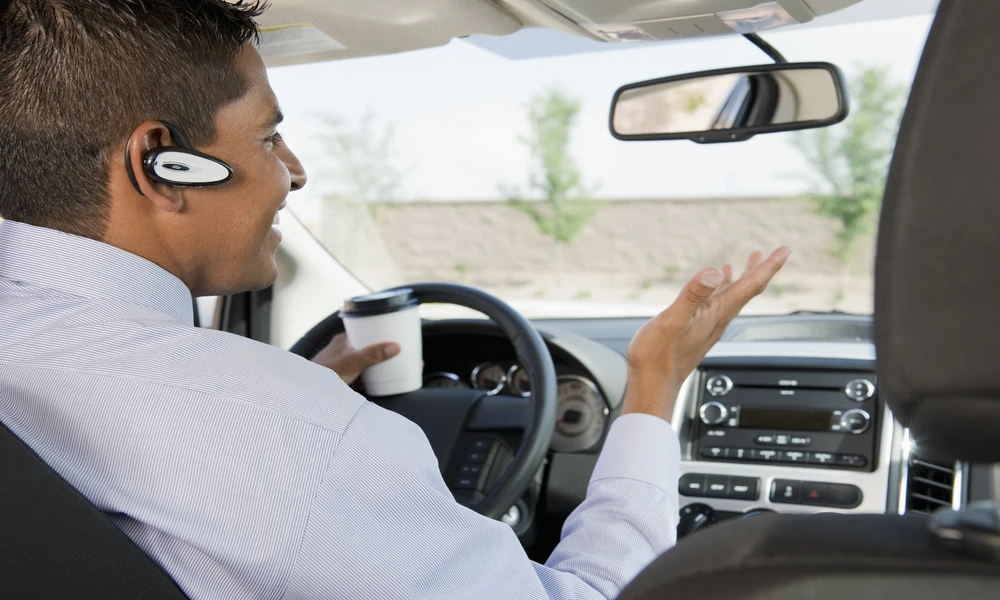

A long highway stretch can make driving feel repetitive. Hands-free technology changes that experience by reducing routine inputs. At a valley cadillac dealership in Syracuse, NY, shoppers can explore vehicles with advanced driver assistance features. These systems handle selected steering and speed duties. The driver still watches traffic and remains responsible. That balance creates a calmer experience without removing human control.
Highway Assistance Takes Over Repetitive Inputs
During extended travel, constant steering corrections can become tiring. Hands-free assistance reduces that physical demand on suitable roads. Adaptive cruise control also manages spacing around nearby vehicles. Lane-centering technology guides the vehicle along marked pavement. As traffic changes, these tools adjust their responses together.
The result feels less demanding, especially during steady highway travel.
-
Steering corrections become less frequent.
-
Following distance receives continual adjustment.
-
Lane position gets steady electronic support.
-
Driver attention stays focused ahead.
Road Conditions Still Shape System Performance
Hands-free features depend heavily on visible road markings. Clear pavement lines give cameras useful guidance during operation. Consistent traffic also makes automated responses more predictable. Heavy rain can interfere with cameras and other sensors. For that reason, drivers must assess conditions before activation.
Several checks can help establish suitable conditions:
-
Road markings remain easy to identify.
-
Sensors have a clear field.
-
Traffic movement stays reasonably predictable.
-
Current roads support the selected feature.
Cadillac Assistance Creates A Smoother Experience
Cadillac vehicles can combine several assistance functions during highway travel. Super Cruise, when equipped, supports hands-free operation on compatible routes. Mapping information helps identify where that feature can operate. At a valley cadillac dealership in Buffalo, NY, shoppers can see those controls firsthand. A demonstration also shows alerts, monitoring, and activation steps.That practical look can make unfamiliar technology easier to understand.
Driver Attention Remains Part Of The Process
Hands-free capability does not mean unattended driving. Monitoring technology checks whether the driver remains attentive. Alerts can request renewed attention when focus drops. Such safeguards matter because traffic can change without warning.
A construction zone might alter familiar lane patterns. An approaching emergency vehicle can demand quick judgment. In those moments, human awareness remains the final safeguard. The technology reduces workload, while responsibility stays with the driver.
Smarter Roads Could Shape Future Travel
Hands-free driving points toward a broader change in highway design. Better mapping could give assistance systems more reliable road information. Improved sensors may also support smoother responses around changing traffic. Yet future progress will still depend on human judgment.
That balance offers an important perspective on automation. The goal is not removing drivers from decisions. Instead, routine tasks can demand less attention. Human focus can then remain available for unusual events.
FAQs
Is hands-free driving fully autonomous?
No. The driver must continue monitoring traffic and system alerts.
Can hands-free features work on every highway?
No. Operation depends on compatible roads and current conditions.
Can bad weather affect hands-free assistance?
Yes. Rain or blocked sensors can reduce system capability.
Does hands-free driving prevent driver fatigue?
No. Reduced workload can help, but rest remains necessary.