
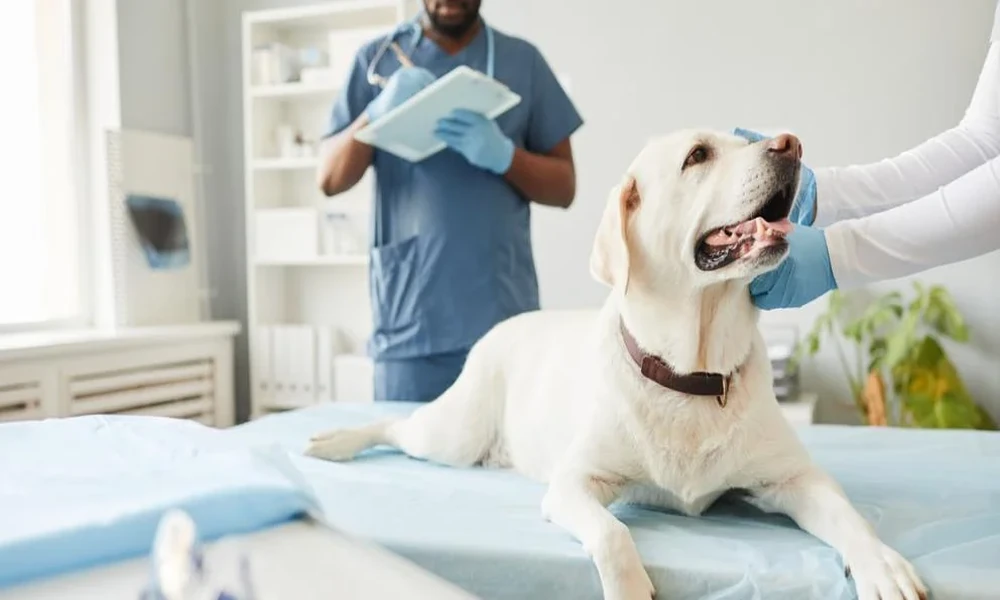

You trust a veterinarian in Monterey Park, CA animal hospital to act fast, think clearly, and protect the animals in its care. When a patient dies, develops a serious complication, or a treatment does not go as planned, the emotional weight is real. If you work in veterinary medicine, you already know how heavy those cases can feel. If you are a pet owner, producer, or animal caregiver, you may be wondering what happens behind the scenes after a bad outcome. That is where morbidity and mortality reviews matter. They are structured case reviews that help veterinary teams learn from illness, injury, complications, and death so the same mistakes are less likely to happen again.
In simple terms, these reviews are not about blame. They are about patterns, decisions, communication, and system gaps. A strong review asks what happened, why it happened, what could have changed the outcome, and what the team should do differently next time. In veterinary morbidity and mortality reviews, the goal is better care, safer systems, and more honest learning.
Morbidity and mortality reviews in veterinary medicine turn hard cases into safer care
Morbidity means illness, complications, or unexpected harm. Mortality means death. In veterinary settings, a review may happen after a surgical complication, a delayed diagnosis, a medication error, an outbreak in a shelter, or the loss of a hospitalized patient. Some cases are unavoidable. Animals can decline quickly, and not every condition responds to treatment. Still, avoidable harm can hide inside rushed handoffs, missing records, unclear protocols, or delayed reporting.
You can see why this matters in daily practice. A dog has a routine procedure, then crashes in recovery. A dairy herd shows signs of a reportable disease, but staff are unsure who must be contacted. A wildlife facility notices unusual deaths in several birds, but no one connects the pattern soon enough. One bad case can expose a larger weakness. Without review, the lesson often gets buried under the next emergency.
Mortality review in veterinary practice gives teams a way to slow down and look closely. The best reviews ask direct questions. Was the diagnosis timely. Were lab results seen and acted on. Did the team have the right equipment. Did anyone feel unsure but stay quiet. Was there a disease surveillance duty that should have been triggered. The answers often lead to changes in training, recordkeeping, triage, infection control, and communication with owners or producers.
Public health can also be part of the picture. Some animal illnesses carry reporting duties that reach beyond one clinic. The USDA APHIS guidance on disease surveillance helps explain how veterinarians fit into larger monitoring systems. Their list of notifiable diseases shows when a concerning case is more than an isolated event. For wildlife cases, the USGS WHISPers reporting system supports tracking unusual sickness and death events. A review is not just internal quality control. It can be part of protecting animal populations and the people around them.
Veterinary case review works best when teams examine systems, not just individual choices
People often fear these reviews because they expect judgment. That fear makes organizations defensive, and defensive teams miss the real cause. One technician forgot a step, but why was the step easy to miss. One veterinarian did not escalate a concern, but why did the culture make that feel risky. A review that stops at one person usually fixes nothing.
Good animal hospital review processes look at the whole chain. Staffing levels, shift changes, discharge instructions, drug labeling, anesthesia monitoring, client communication, and emergency planning all count. In larger practices, the issue may be coordination between departments. In smaller clinics, it may be the lack of a written protocol because everyone relies on memory. Both can lead to the same kind of harm.
This is where the emotional side meets the practical side. Veterinary teams carry grief, guilt, and fatigue. Owners carry shock, anger, and confusion. A clear review process does not erase that pain, but it gives the loss a purpose. It says the case will not be forgotten, and the next patient may be safer because someone took the time to learn.
Practical differences between blame based responses and true morbidity and mortality reviews
| Approach | What it sounds like | Likely result |
|---|---|---|
| Blame based response | “Who caused this?” | Silence, fear, underreporting, repeated errors |
| True morbidity and mortality review | “What happened, and what in the system allowed it?” | Better protocols, stronger training, earlier intervention |
| Informal hallway discussion | “That case was rough.” | Emotional release, but no clear change |
| Structured veterinary case review | “Timeline, findings, decisions, missed signals, action items.” | Trackable improvement and shared learning |
The difference is not academic. A clinic that reviews anesthesia complications in a structured way may discover that monitoring forms are inconsistent, recovery checks are delayed, or emergency drugs are stored in different places. Those are fixable problems. A practice that only says a case was unfortunate usually repeats the same risks.
Three steps that make morbidity and mortality reviews useful right away
Build a simple trigger list. Decide which events always require review. Include unexpected deaths, surgical complications, medication errors, delayed diagnoses, hospital acquired infections, and any case tied to a reportable or unusual disease event. A trigger list removes guesswork and keeps hard cases from being ignored.
Use a standard case format. Keep it plain. Timeline, presenting signs, tests, treatment decisions, communication points, outcome, contributing factors, and follow up actions. The format matters because memory gets distorted after stressful cases. A standard review keeps the discussion grounded in facts.
Assign one change and follow it. Many reviews die in the meeting room. Pick one action with an owner and a deadline. Revise a protocol. Retrain the team. Update emergency contacts. Improve disease reporting steps. A review only matters if the next case is handled differently.
Better review habits strengthen patient care and trust
Bad outcomes in veterinary medicine hurt, even when everyone tried their best. That is exactly why morbidity and mortality reviews matter. They create a place for honesty, accountability, and learning without turning every hard case into a search for blame. Over time, they help an animal hospital become safer, steadier, and more worthy of the trust people place in it.
If your practice is rethinking how it handles serious cases, start small and stay consistent. A written process, a regular meeting, and one real improvement after each review can change the culture faster than you think.



Leave a Comment