





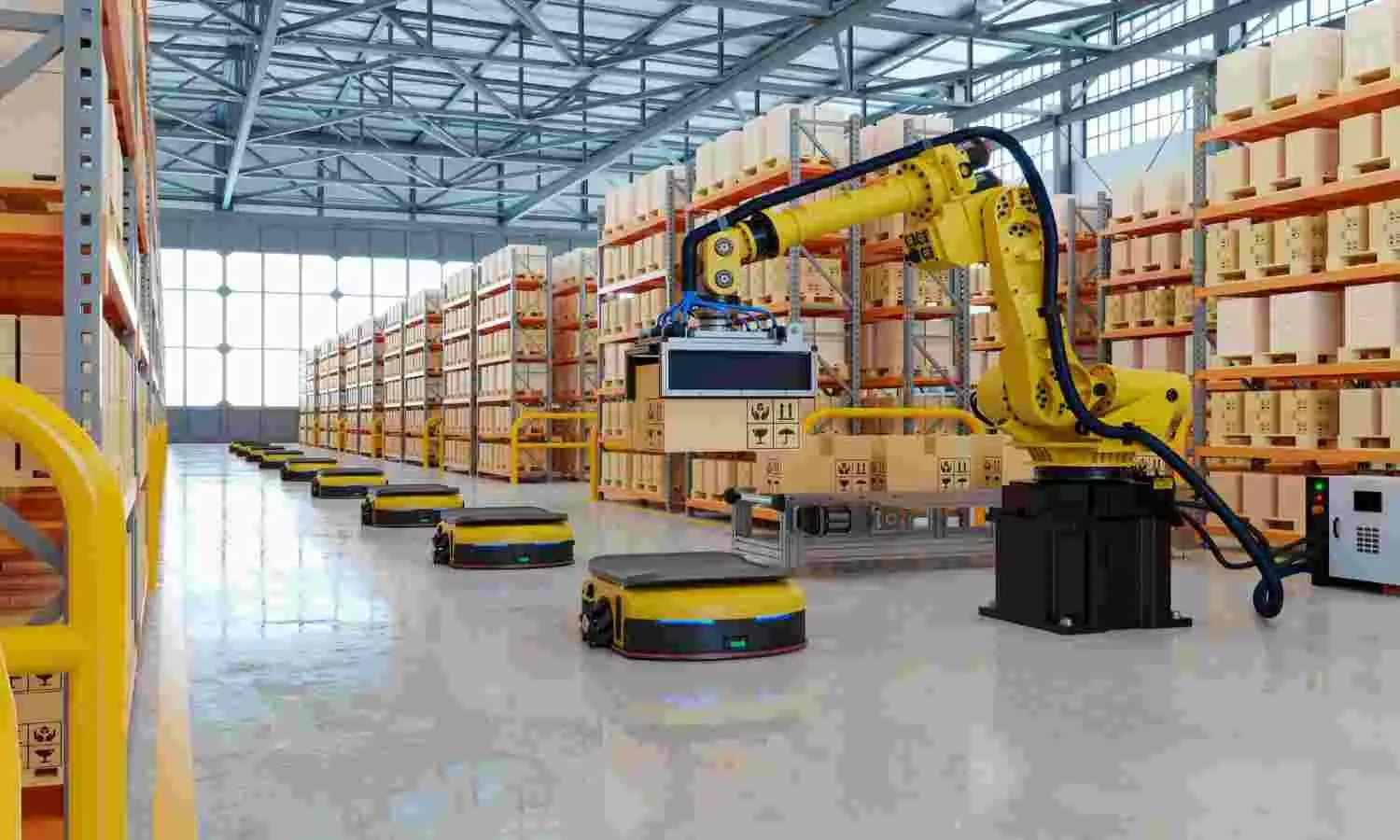
Warehouse Automation Solutions: Smarter Warehouses Start with Better Systems
There has never been more pressure on warehouses than there is today. Orders move faster. Labor is tighter. Accuracy matters more. And this is why a lot of businesses are using warehouse automation solutions so they can be competitive but also not venturing their workforce into the ground.
Automation is not only for the large-scale businesses anymore. This is making it a sensible solution for warehouses of all sizes.
What are Warehouse Automation Solutions?
Warehouse automation solutions are computer-based systems that can perform operations previously done by humans. These systems lower possible human errors, are faster, and more consistent.
They can automate:
- Picking and packing
- Sorting and routing
- Inventory tracking
- Material movement
That is not getting rid of people, end goal. Its sole purpose is to assist them in working efficiently.
Why Warehouses are Automating Now?
Manual processes struggle to meet the increasing demand. Automation fills that gap.
Key drivers include:
- Rising order volumes
- Labor shortages
- Faster delivery expectations
- Need for real-time inventory data
For example, automation enables warehouses to ramp up and scale without having to add a continual level of headcount to the facility.
Popular Warehouse Automation Solutions
Automation doesn’t always take the same form. The top systems fit the demands of the activity.
Popular options include:
- Conveyor and sortation systems
- Exhaustive labor and retrieval system (AS/RS)
- Autonomous mobile robots (AMRs)
- Pick-to-light and put-to-light systems
- Warehouse management software (WMS)
Each solution aims at a specific bottleneck Together, they create smoother flow.
Why Automation Enhances the Quality and Pace
There is no point of running fast with incorrect orders.
Warehouse automation solutions increase accuracy:
- Reducing manual handling
- Using barcode and sensor tracking
- Following programmed workflows
All this translates to fewer returns, satisfied customers, and lesser rework for the staff.
The Labor Advantage Most Miss
Automation does not take place of a worker; it works alongside one.
Benefits for teams include:
- Less physical strain
- Clear task direction
- Reduced overtime pressure
- More predictable shifts
Productivity increases when employees work with the systems, instead of against them.
Cost Considerations and ROI
Invest in automation, but the ROI often happens sooner than you think.
ROI usually comes from:
- Lower labor costs
- Fewer errors and returns
- Better space utilization
- Higher throughput
Most warehouses begin with something small and grow from there as savings are recognized.
Choosing the Right Automation Strategy
The worst thing you can do is to purchase technology without a plan.
Before investing:
- Analyze current bottlenecks
- Set clear performance goals
- Choose scalable systems
- Involve operations teams early
Warehouse automation solutions need to fit operations − not the other way around.
Future-Proofing Your Warehouse
We cannot expect that customer expectations will slow down. Warehouse automation: powering up for the next step.
With flexible systems, you can:
- Add more capacity without taking up more space
- Adjust to surges in demand
- Include new technology in the future
There is no tendency towards automation. It’s a base.
Final Perspective
Warehouse automation solutions are not an option anymore for operations that wish to expand. In a very competitive market, they make things faster, more accurate, and more durable.
Using automation purposefully can transform warehouses into strategic assets − not operational headaches. The most intelligent warehouses do not put in extra effort. They work automated.