
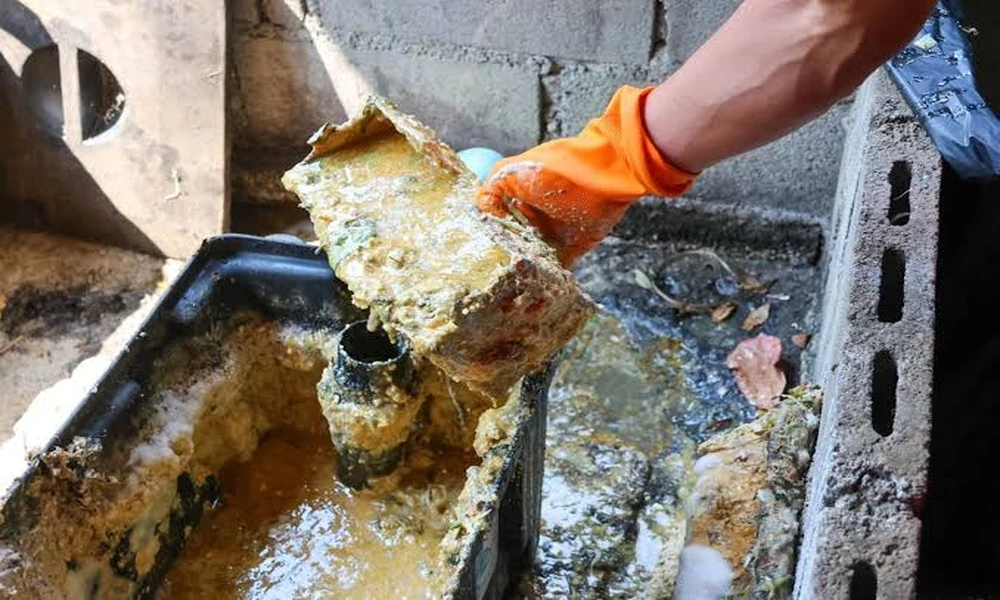

Commercial kitchens produce significant amounts of fats, oils and grease during everyday food preparation. When these substances enter drainage systems, they can accumulate inside pipes and cause serious plumbing problems. Grease traps help prevent this by separating grease from wastewater before it reaches the main drainage system.
However, grease traps require regular cleaning and inspection to remain effective. Restaurants, cafés and food service businesses that use commercial grease trap services in St. Louis, MO can benefit from professional maintenance that helps prevent blockages, unpleasant odours and unexpected plumbing disruptions.
Understanding How Grease Traps Work
A grease trap is a plumbing device designed to capture fats, oils and grease before wastewater enters the drainage network. As wastewater passes through the trap, heavier solids settle towards the bottom while grease rises towards the surface. The remaining wastewater flows through the outlet.
Over time, accumulated grease and food particles reduce the trap’s available capacity. Businesses arranging commercial grease trap services in St. Louis, MO should ensure their equipment is inspected and cleaned according to its condition, usage and applicable local requirements. Without proper maintenance, trapped materials may escape into downstream pipes.
Prevents Blocked Drains and Wastewater Backups
One of the main benefits of regular grease trap maintenance is preventing drainage blockages. When grease accumulates beyond the trap’s effective capacity, it can enter connected pipes. As it cools and combines with other waste materials, it may contribute to restrictions that slow wastewater flow.
Professional cleaning removes accumulated grease and settled solids before they create serious problems. This reduces the likelihood of slow drainage, wastewater backups and emergency plumbing repairs. Maintaining clear drainage is particularly important in busy commercial kitchens where washing and food preparation continue throughout the day.
Reduces Unexpected Plumbing Repair Costs
Blocked drains and overflowing grease traps can lead to expensive plumbing work. Severe blockages may require specialist cleaning equipment, while wastewater escaping into kitchen areas can create additional cleaning and restoration expenses. Business operations may also be interrupted while repairs take place.
Scheduled maintenance helps identify developing problems before they become emergencies. Although cleaning involves a regular expense, it can reduce the risk of larger repair bills. Businesses should compare maintenance costs with the potential consequences of drainage failures rather than treating servicing as an unnecessary expense.
Helps Maintain Hygiene and Control Odours
Poorly maintained grease traps can produce unpleasant smells as trapped food particles and organic materials break down. These odours may spread into nearby kitchen areas, affecting working conditions and creating an uncomfortable environment for employees.
Regular cleaning removes accumulated waste and helps control odour problems. However, persistent smells may also indicate damaged seals, blocked ventilation or other drainage faults. Professional inspections can identify these issues and determine whether additional plumbing repairs are necessary.
Supports Compliance With Wastewater Requirements
Commercial food businesses must manage fats, oils and grease responsibly to protect public drainage infrastructure. Local wastewater authorities may establish requirements for grease trap installation, maintenance, cleaning frequency and waste disposal. Businesses should confirm which rules apply to their premises.
Maintaining service records can help demonstrate responsible operation during inspections. These records may include cleaning dates, waste removal details and identified equipment problems. Professional contractors can also explain appropriate disposal procedures, although responsibility for meeting applicable requirements remains with the business operator.
Extends Equipment Life and Improves Performance
Grease traps contain components that require periodic inspection, including baffles, covers, seals and pipe connections. Accumulated waste can interfere with normal operation, while damaged components may allow grease to pass through without adequate separation.
Routine maintenance provides an opportunity to identify wear, corrosion and other developing faults. Addressing minor problems promptly may prevent more extensive repairs or premature equipment replacement. However, older or incorrectly sized traps may eventually require upgrading regardless of maintenance quality.
How Often Should Commercial Grease Traps Be Cleaned?
Cleaning frequency depends on several factors, including kitchen activity, grease production, trap capacity and local wastewater requirements. A busy restaurant preparing fried foods may require more frequent servicing than a smaller establishment producing relatively little grease.
Businesses should arrange inspections and establish a maintenance schedule based on actual operating conditions. Important warning signs include:
These symptoms should prompt professional assessment rather than waiting for the next scheduled cleaning.
Conclusion
Regular grease trap maintenance plays an important role in protecting commercial plumbing systems. Removing accumulated fats, oils and grease helps prevent blockages, reduce repair expenses, control unpleasant odours and support responsible wastewater management.
Restaurant owners and commercial kitchen managers should prioritise scheduled inspections, professional cleaning and accurate maintenance records. Choosing a suitable servicing schedule and addressing warning signs promptly can help maintain reliable drainage and minimise avoidable disruptions to daily business operations.

Leave a Comment