
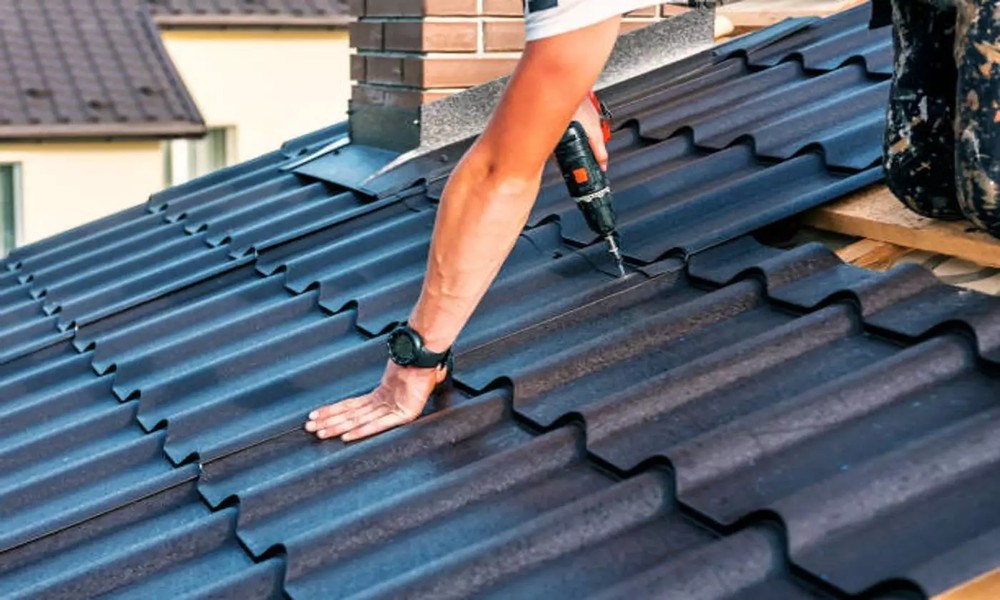

A roof does more than cover a building. It shields people, equipment, stock, and interior spaces from harsh weather, heat, moisture, and daily wear. A strong roofing system also helps the whole structure feel safer and easier to maintain. That is why material choice deserves careful thought from the start.
Steel has earned its place in many commercial, industrial, and residential buildings. Durable steel roofing panels offer steady protection while giving the roof a clean, practical finish. Their strength, coating quality, and tight panel design all work together. Here are five clear ways these panels help protect a building.
1. They Stand Strong Against Harsh Weather
Steel roof panels handle heavy rain, strong sun, hail, and wind with steady performance. Their firm surface helps direct water away from the roof before it can collect. This reduces strain on the roofing system during storms. A properly installed steel roof also holds its shape under changing weather.
Protective coatings add another layer of defense. These coatings help the panels resist rust, fading, and surface wear. As a result, the roof keeps its protective value through many seasons. This makes steel panels a smart choice for buildings exposed to tough outdoor conditions.
2. They Help Control Moisture Damage
Moisture can affect a building when water finds gaps, cracks, or weak seams. Steel roofing panels use interlocking designs that help create a tight barrier across the roof. This helps water move toward gutters instead of entering the structure. Good drainage keeps ceilings, walls, and insulation safer.
A dry roof system also supports healthier indoor spaces. Less moisture means less chance for stains, damp smells, or hidden decay. Steel panels make roof care more predictable because their surface sheds water efficiently. That steady performance supports the whole building envelope.
3. They Add Fire Protection
Steel is a noncombustible roofing material. That means it does not feed flames the way some materials can. This feature gives the building an extra layer of safety during fire exposure. It can be especially valuable for storage areas, workshops, and high-use spaces.
A fire-resistant roof can also support safer emergency planning. The roof acts as a protective shield rather than a weak point. When paired with proper insulation and code-approved underlayment, steel panels create a dependable system. This gives property owners practical protection without a complicated setup.
4. They Reduce Impact From Debris
Branches, windblown objects, and small hail can strike a roof during severe weather. Steel panels have the strength to absorb many of these impacts without cracking apart. Their rigid profile helps spread force across the surface. This lowers the chance of sudden roof damage.
The panel shape also plays a role in protection. Ribs and seams add stiffness, which helps the roof stay stable. A stronger roof surface means fewer urgent repairs after rough weather. That kind of resilience matters for buildings that need regular use every day.
5. They Support Energy Efficiency
Steel roofing can reflect a good amount of sunlight when coated with reflective finishes. This helps reduce heat gain inside the building during hot months. Cooler roof surfaces can ease the load on air conditioning systems. Indoor spaces may feel more comfortable as a result.
Insulated steel roof systems can also help control indoor temperature. The roof becomes part of the building’s energy plan rather than just a cover. Stable temperatures protect stored items, equipment, and work areas. This practical benefit adds value beyond basic weather protection.
A strong roof protects the structure, the people inside, and the investment behind the building. Durable steel roofing panels provide reliable defense against weather, moisture, fire, impact, and heat. Their strength and practical design make daily building care easier. With proper installation and routine checks, steel panels serve as a steady shield overhead. That protection gives any building a solid foundation for safer use.