
For most of us, recycling ends when the bin gets tipped. That is actually where the work really starts. Sorting, filtering, and recovery are all done in MRFS (Material Recovery Facilities). These facilities quietly decide whether waste is a resource or buried.
This paper adopts a systems-level framework that demonstrates the impact of MRFS on the efficiency, sustainability, and cost-effectiveness of the recycling value chain.
The Behind the Scenes Role That MRFS Play
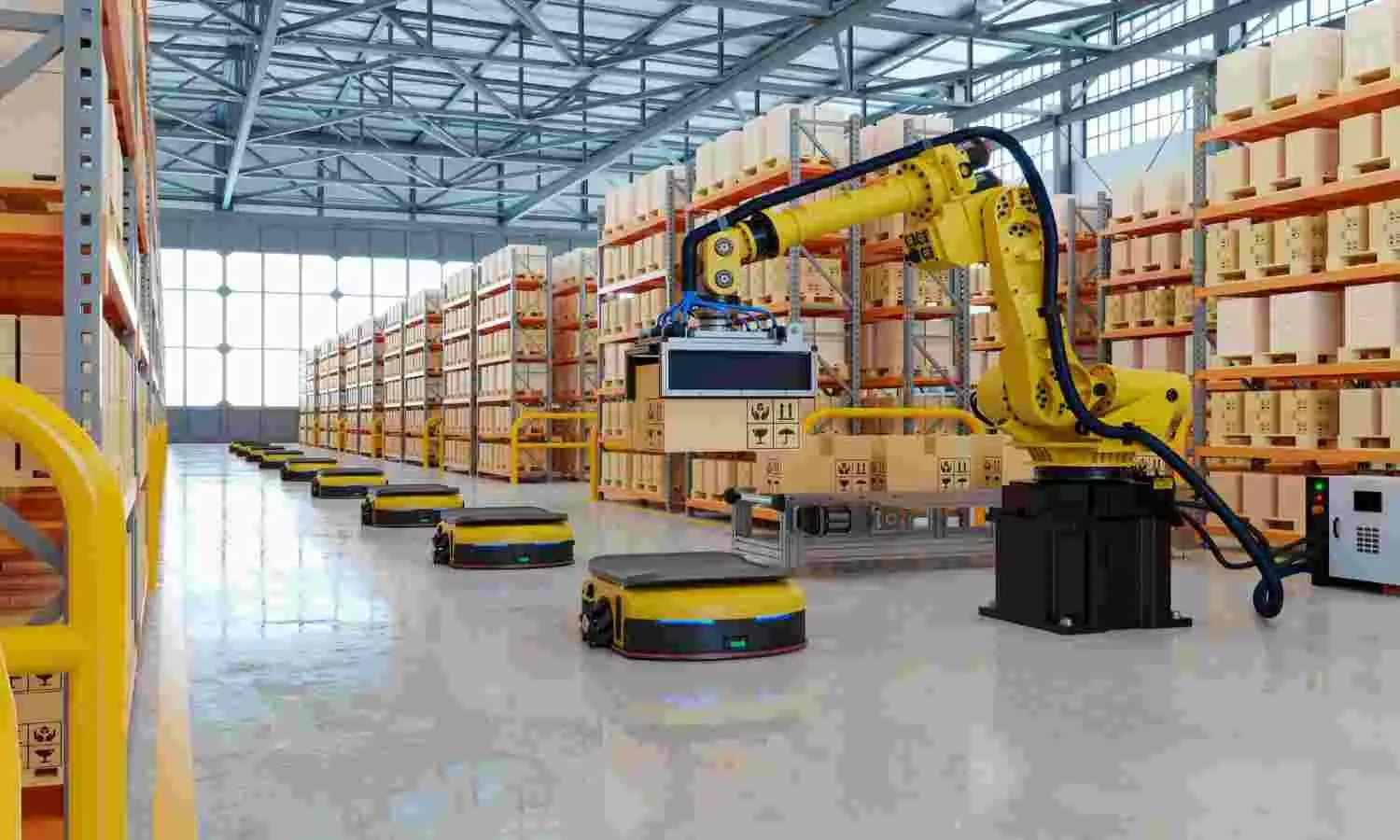
MRFS work between waste collection and reuse. They are not storage centers. They are processing hubs.
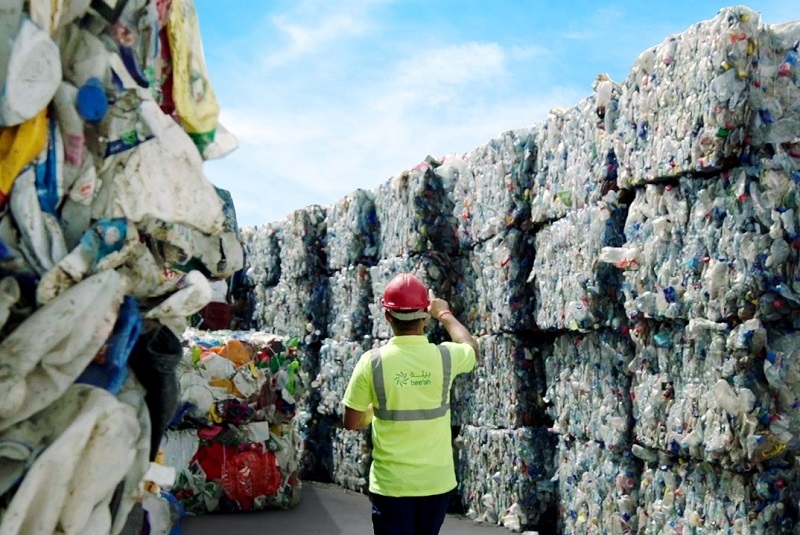
When MRFS receive mixed waste, they separate recyclables from trash. Inside these facilities dictates what happens:
- Amount of waste diverted from landfills
- How clean recovered materials are
- How manufacturers value those materials
MRFS very much control the quality of the whole recycling system in many ways.
Why Sorting Accuracy Matters
Not all recycling is equal. Poor sorting creates contamination. But the presence of contamination actually lowers resale value and increases disposal cost.
Here is where MRFS take the biggest difference.
High-performing MRFS focus on:
- Precise separation of materials
- Removing non-recyclables early
- Preventing cross-contamination
Cleaner output and higher recovery rates, better sorting.
So, How Do MRFS Fit into the Circular Economy?
The circular economy must reuse materials, not toss them. MRFS make that cycle possible.
Recovered materials are from:
- Paper mills
- Plastic re-processors
- Metal smelters
- Glass recycling units
These industries would resort to raw materials without MRFS, which would significantly heighten environmental destruction and cost of production — bad for businesses and the planet.
Operational Challenges Inside MRFS
Running MRFS is complex. Efficiency varies by equipment, staff training, and quality of input waste.
Common challenges include:
- Heavily contaminated waste streams
- Equipment wear and downtime
- Rising energy and labor costs
- Changing recycling regulations
Once these issues are overlooked, the recovery rates are pretty low, and they do go down fast.
How Much Does Waste Management Cost – MRFSs?
Landfilling waste is expensive. Transporting it costs money. Long-term management of it, costs through the roof.
Here are various ways MRFS help in managing these costs:
- Reducing landfill volume
- Creating resale value from waste
- Lowering environmental compliance expenses
Well-managed MRFS do more than advance sustainability. They improve financial efficiency.
Why Public Participation Still Matters?
Now, no MRFS is perfect even MRFS of advanced level it cannot fix everything.
Source separation matters because:
- Cleaner waste improves processing speed
- Less contamination reduces rejection rates
- Higher-quality output strengthens recycling markets
The public is important, as access to MRFS is dependent on awareness level.
MRFS vs Simple Waste Disposal
Waste disposal ends the story.
- MRFS extend it.
- Disposal focuses on removal.
- MRFS focus on recovery.
Modern waste management is all about that difference.
Final Perspective
MRFS are where the recycling either succeeds or fails. They influence the quality of materials, the recovery rate, and environmental impacts.
MRFS define the strength of the recycling systems.
Waste becomes valuable, at least when these facilities are running efficiently.
But if they fall short, recycling is an empty promise.
Sustainable waste management is not about dustbins or garbage collection vehicles.
The MRFS units make recovery possible.