





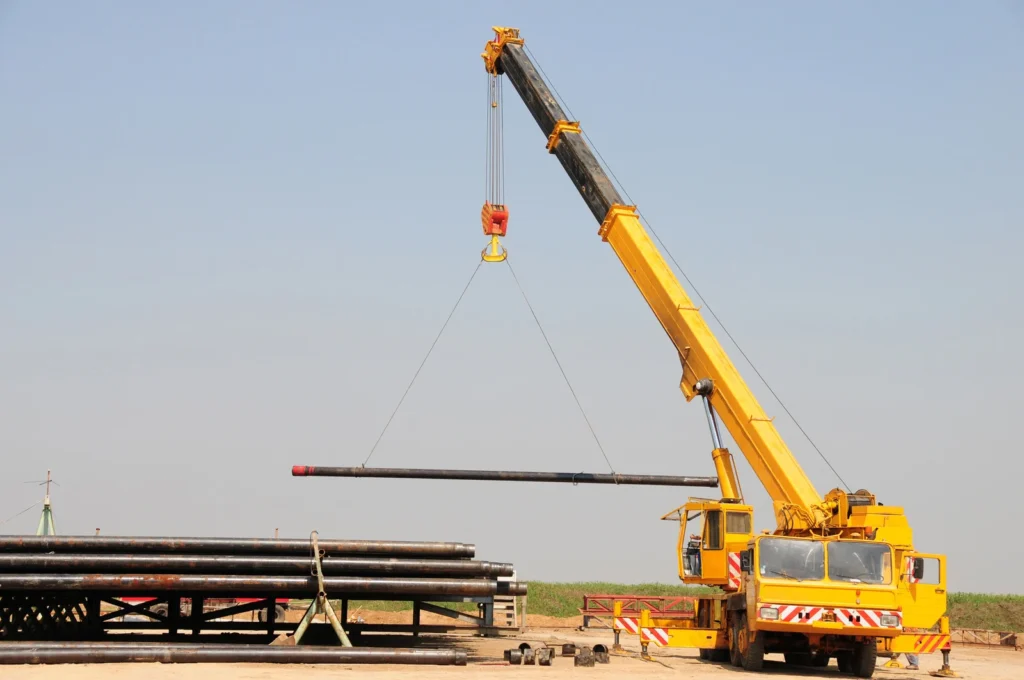
The Role of Rigging Items in Ensuring Successful and Safe Crane Operations
Crane operations rely on precision, planning, and dependable equipment to achieve safe lifting outcomes. Rigging items form the direct connection between the crane hook and the load. Their correct selection and use influence every stage of a lift.
Each rigging equipment serves a defined purpose within lifting systems. Proper coordination between equipment, load, and personnel creates controlled movement. This balance supports safety, efficiency, and operational confidence on job sites.
The Function of Rigging Items in Lifting Tasks
Rigging items transfer load forces from the crane to the object being lifted. Slings, shackles, hooks, and hardware work together to stabilize weight distribution. Each component must match the load type and lifting plan.
Incorrect rigging selection increases stress on equipment and creates instability. Operators rely on rated capacities and design features to guide decisions. Proper understanding ensures loads remain secure throughout movement.
Select Appropriate Rigging Based on Load Characteristics
Load shape, weight, and center of gravity determine rigging requirements. Flat loads demand different support than cylindrical or irregular items. Rigging choices reflect these variations to maintain balance.
Key selection considerations include:
- Load weight and attachment points.
- Material type and surface sensitivity.
- Lift angle and movement path.
Accurate selection supports controlled lifting and reduced risk.
Enhances Stability and Load Control During Crane Movement
Rigging items influence how loads respond during lifting and positioning. Even weight distribution prevents sudden shifts. Stable loads reduce strain on crane components and ground support.
Proper sling angles and secure connections guide smooth movement. Controlled motion protects surrounding structures and personnel. Stability remains essential from lift start to final placement.
Maintains Equipment Integrity Through Proper Rigging Use
Rigging items absorb forces generated during lifting operations. Correct usage prevents excessive wear and structural damage. Equipment longevity depends on proper application.
Rigging hardware rated for specific capacities maintains performance. Adherence to manufacturer guidelines supports reliability. Consistent inspection further preserves equipment integrity.
Supports Communication and Coordination Among Lift Teams
Rigging setups provide visual confirmation of load readiness. Clear attachment points signal proper preparation to operators and supervisors. Shared understanding improves coordination.
Team members rely on standardized rigging practices to align actions. Signals and commands match rigging configurations. This clarity strengthens teamwork and reduces miscommunication.
Promotes Compliance With Safety Standards and Regulations
Rigging equipment must meet regulatory and industry standards. Compliance ensures safe working limits are respected. Certified equipment supports regulatory adherence.
Common compliance practices include:
- Folks must use tagged and rated rigging gear.
- They should follow inspection and maintenance schedules.
- They must document rigging procedures and lift plans.
These practices reinforce accountability and safety culture.
Adapts Rigging Methods to Site Conditions
Every job site presents unique challenges. Space limitations, ground conditions, and access points affect rigging choices. Adaptability supports safe execution.
Rigging configurations adjust to environmental factors. Weather conditions and visibility influence setup decisions. Thoughtful planning ensures consistent control under varying circumstances.
Reduce Risk Through Regular Inspection and Maintenance
Rigging items experience repeated stress during operations. Regular inspection identifies wear, deformation, or damage. Early detection prevents failure during lifts.
Maintenance routines keep equipment in reliable condition. Removal of compromised gear protects workers and loads. This proactive approach strengthens operational safety.
Builds Operator Confidence and Operational Efficiency
Reliable rigging improves operator confidence during lifts. Trust in equipment allows focus on precision and communication. Confident operations reduce delays and errors.
Efficient rigging setups streamline workflow. Reduced adjustments save time and resources. Consistent practices enhance productivity across projects.
Thus, rigging items play a central role in crane operation safety and success. Their proper selection, use, and maintenance support stability and control. Strong rigging practices protect equipment, personnel, and project outcomes.