



Plastic Recycling: Rethinking Waste in a World That Depends on Convenience
Plastic has infiltrated almost every single product we purchase and use. It makes its presence in our daily lives through food packaging, household goods, etc. However, this accessibility brings a crisis of its own − at what point does all that plastic go once it has served its initial purpose? Plastic recycling is the effective way to go ahead with it to stop the plastic waste and save our planet from plastic pollution.
Everything You Need to Know About the Importance of Plastic Recycling
In simple terms, plastic recycling is a process that includes the collecting of waste plastic, processing, and then making of new products. This may seem simple but the magnitude is huge. We can recycle to reduce the entry of plastics in oceans, landfills and natural areas. It is also an exercise in energy conservation, pollution reductions, and new plastic production avoidance.
Plastic recycling isn’t just about throwing bottles in a bin; it’s about knowing what you can recycle, what the system is like, and how important engaged citizenship is.
How Plastics Become New Products
There are several processes involved which are well controlled before a used container can be a new product. Within these 5 steps, each one is part of the process of ensuring the product is usable.
- Step 1: Collection
Plastics are collected for recycling by trucks that visit homes, businesses, or drop-off centers.
- Step 2: Sorting
Facilities sort plastics by type. This is an important step as different plastics melt at different temperatures.
- Step 3: Cleaning
They peel off the labels and wash off the food scraps and muck so the stuff can be recycled.
- Step 4: Processing
The purified plastic is grinded, and once melted, reshot as pellets.
- Step 5: Reproduction
Manufacturers create new products from these pellets, such as clothing fibers, outdoor furniture, containers, and even car parts.
In this cycle plastic recycling transforms trash into treasure.
Some Plastics are Better Than Others
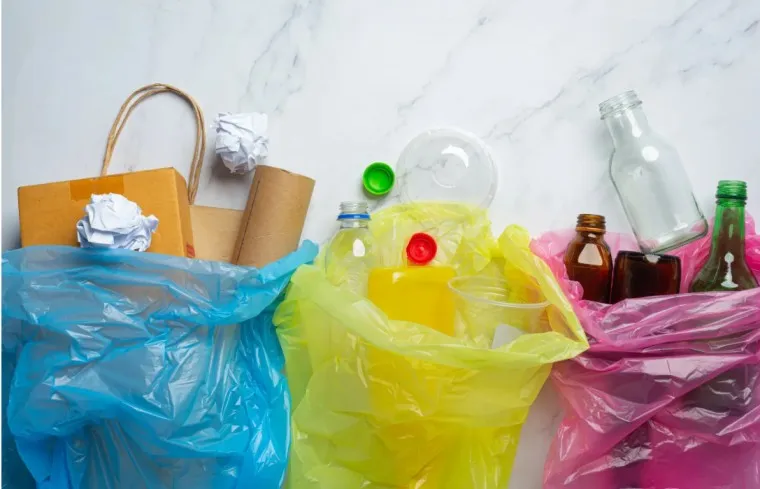
The challenge with plastic recycling is we know some plastics are easier to recycle than others. Widely accepted – include plastic water bottles, milk jugs, and detergent containers. On the other hand, flimsy plastics − think plastic shopping bags or wrappers − typically need different infrastructure.
Knowing what the recycling numbers on packaging actually mean can make a real difference. Not everyone understands what should go to the recycling bins which can lead to contamination lowering the recycling rates.
Creating Solutions: The Obstacles to Recycling Plastic
Despite all the positives, plastic recycling doesn’t work, as well as it should. The big one: If something goes into the wrong bin, entire batches get tossed − because non-recyclables contaminate. Some places, however, don’t have the types of recycling facilities that can handle advanced plastics, meaning they simply can be thrown away.
Such difficulties illustrate the lack of education, better packaging design, and infrastructure.
Little Things with a Big Impact
Better recycling begins at the level of the individual. Five simple habits can nourish the whole system:
- Always rinse containers before recycling
- Learn your local recycling rules
- Avoid single-use plastics when possible
- Choose reusable products
- Support companies that recycle their raw materials
These simple actions amplify the power of recycling plastics and contribute towards a more sustainable world.
Final Thoughts
Plastic recycling is not just an eco-trend; it is an essential answer to the increasing use of plastic that we are responsible for while managing its disposal and eventually doing something about it. Through giving knowledge on the process, knowledge on what contamination is, as well as the right choice, we help upcycle waste into a useful resource. For each bottle, container, or piece of plastic that is recycled properly − that is a victory for the planet and a step towards sustainable progress.