
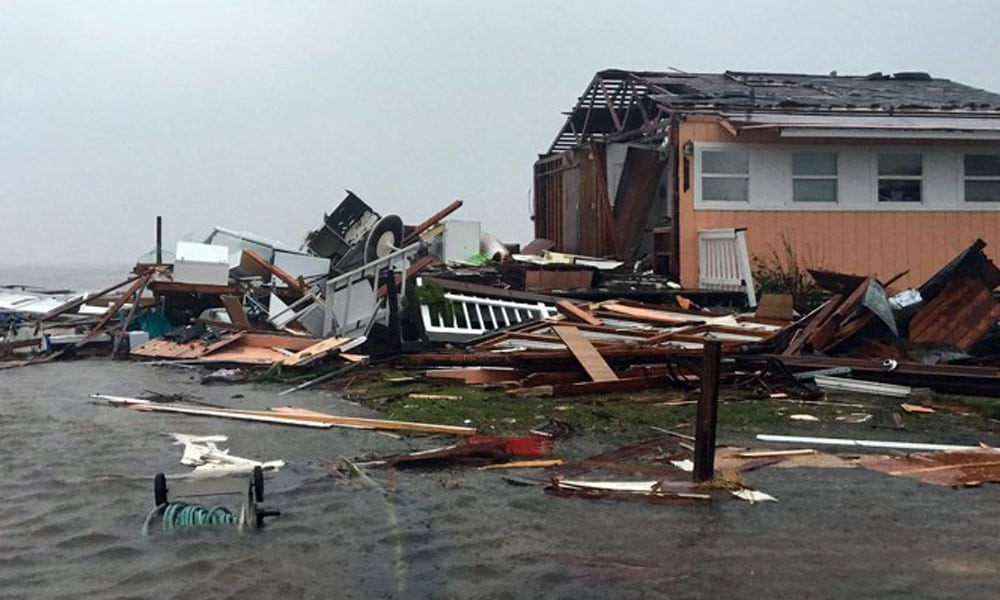

Severe storms leave more than visible damage behind. Roof leaks, water intrusion, and structural stress can worsen within days. According to the National Oceanic and Atmospheric Administration, weather-related disasters cause billions in property losses each year across the United States. This article explains the essential services that help restore homes after major storms. It focuses on inspection, cleanup, repair, and coordination steps. Clear knowledge helps homeowners respond with confidence. Fast action supports safety and long-term recovery.
After major storms, many homeowners look into expert storm damage restoration services to understand how recovery usually unfolds. These services reflect common steps used to assess damage, stabilize structures, and guide repairs. The sections below explain what restoration typically includes and why each service matters during the recovery process.
Damage Assessment Sets the Recovery Plan
Restoration starts with a detailed damage assessment. Professionals examine roofs, siding, windows, and foundations. Hidden issues exist behind walls or under flooring. Early identification prevents further deterioration. Inspectors document visible and concealed damage to support repair planning.
This step creates a clear scope of work and sets expectations early. It also helps prioritize safety-related concerns first. A thorough assessment reduces guesswork and keeps repairs organized. Clear findings guide every service that follows during restoration and help prevent delays later in the process.
Emergency Water Removal Protects the Structure
Water intrusion causes rapid damage after storms. Standing water weakens floors and promotes mold growth. Emergency removal limits long-term issues. Professionals use pumps and drying equipment to stabilize conditions. Fast action preserves structural materials and indoor air quality.
Common water response steps include:
- Extracting standing water from interiors
- Drying walls, floors, and subfloors
- Monitoring moisture levels over time
This service protects the home while other repairs get organized. Early drying supports safer restoration outcomes.
Roof and Exterior Repairs Stop Further Damage
Storms often compromise roofs and exterior surfaces. Missing shingles, damaged flashing, and broken siding expose homes to more moisture. Temporary repairs secure vulnerable areas. Permanent fixes follow once conditions stabilize. Exterior restoration restores the home’s protective shell. This step prevents repeat water intrusion. It also preserves insulation and framing. Coordinated exterior repairs help the interior stay protected during the remainder of the restoration process.
Interior Cleanup and Material Restoration
Interior cleanup addresses damaged finishes and materials. Wet drywall, flooring, and insulation may require removal. Professionals clean affected areas to prevent odors and contamination. Salvageable materials receive specialized treatment. This process restores indoor comfort and safety. Careful cleanup supports later rebuilding. Each step focuses on reducing disruption while ensuring proper restoration. Organized cleanup keeps the project moving forward without unnecessary delays.
Coordination With Insurance and Repairs
Restoration typically involves insurance coordination. Documentation supports claim review and approval. Clear communication reduces delays. Repair planning follows approved scopes. Homeowners reference expert storm damage restoration services as examples of how coordination typically works during recovery.
Key coordination steps include:
- Documenting damage with photos and reports
- Aligning repair plans with claim approvals
- Scheduling repairs in logical order
Professional Care Ensures Long-Term Stability
Professional care supports stable recovery after storm damage. Trained specialists understand how wind and water affect different materials. They follow structured repair steps instead of quick fixes. Ongoing monitoring helps catch hidden issues early. This level of care improves repair quality and supports long-term safety and comfort inside the home.
Major storms disrupt homes in lasting ways. Restoration services address damage step by step. Assessments guide planning. Water removal protects structures. Exterior repairs stop further exposure. Interior cleanup restores safety. Insurance coordination supports repair progress. Each service plays a role in recovery. A clear understanding reduces stress during a difficult time. With proper restoration, homes regain stability, comfort, and function. Thoughtful response helps families move forward with confidence and security after severe weather events.